



 Veterinary care
 Ways to get care
 Visit information
 Pet wellness plans
 Virtual petcare
 Pet Chat™ information
 Locations
 MyBanfield
 Shop packages now
 Request information
 Package FAQs
 NEW! Banfield Access Plan
 Pet health articles
 Puppy care
 Kitten care
 Senior care
 Dental care
 Diet and nutrition
 Ear care
 Parasites
 Fleas
Fleas Ticks
Ticks Mites and mange
 Worms
Worms Skin and coat care
 Mobility
 First aid
 Vaccinations
 End of life care
 Podcast - Not Just Fluff
 Traveling with your pet
 Video vault
 About us
 Contact us
 Newsroom
 Our leadership
 Shop
Shop
 Locations/appointments

 Print
Print
pain management for dogs and cats: signs, treatments, and tips
Whether it’s osteoarthritis, an injury, or a chronic health condition, pain can deeply affect your dog’s or cat’s quality of life. And unfortunately, they’re not always good at telling us where the pain is coming from.
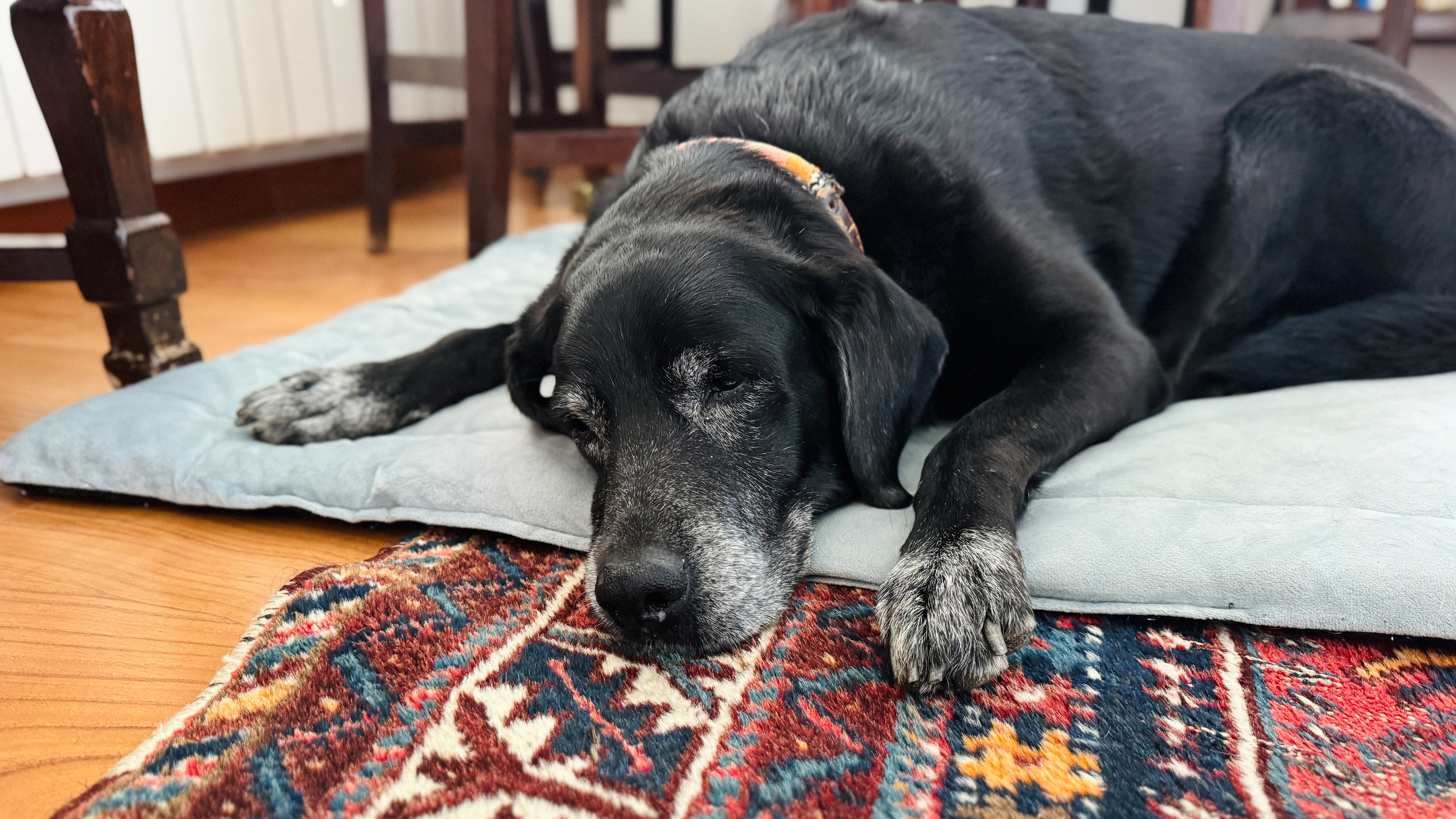
Dogs and cats often show their pain through small changes in behavior, movement, grooming habits, or activity levels. Thankfully, pain management is an option for most pets. With the right combo of care, medication, and lifestyle adjustments, many pets can live more comfortable lives.
What causes pain in dogs and cats?
Pain can have many causes, including:
- Osteoarthritis and other joint diseases
- Injuries, sprains, or fractures
- Dental disease
- Surgical procedures
- Infections
- Gastrointestinal issues
- Cancer
Osteoarthritis is one of the most common causes of chronic pain in both dogs and cats, especially as they age. It occurs when joint tissues deteriorate, making movement painful and mobility limited.
Signs of pain in dogs
Common signs of pain in dogs include:
- Limping or stiffness
- Difficulty getting up
- Reluctance to climb stairs or jump
- Less interest in walks or playtime
- Changes in posture
- Increased irritability or withdrawal
- Changes in appetite or sleep patterns
If your dog is showing any of these signs, please schedule a veterinary exam to determine the underlying cause. We can help you spot the signs of osteoarthritis.
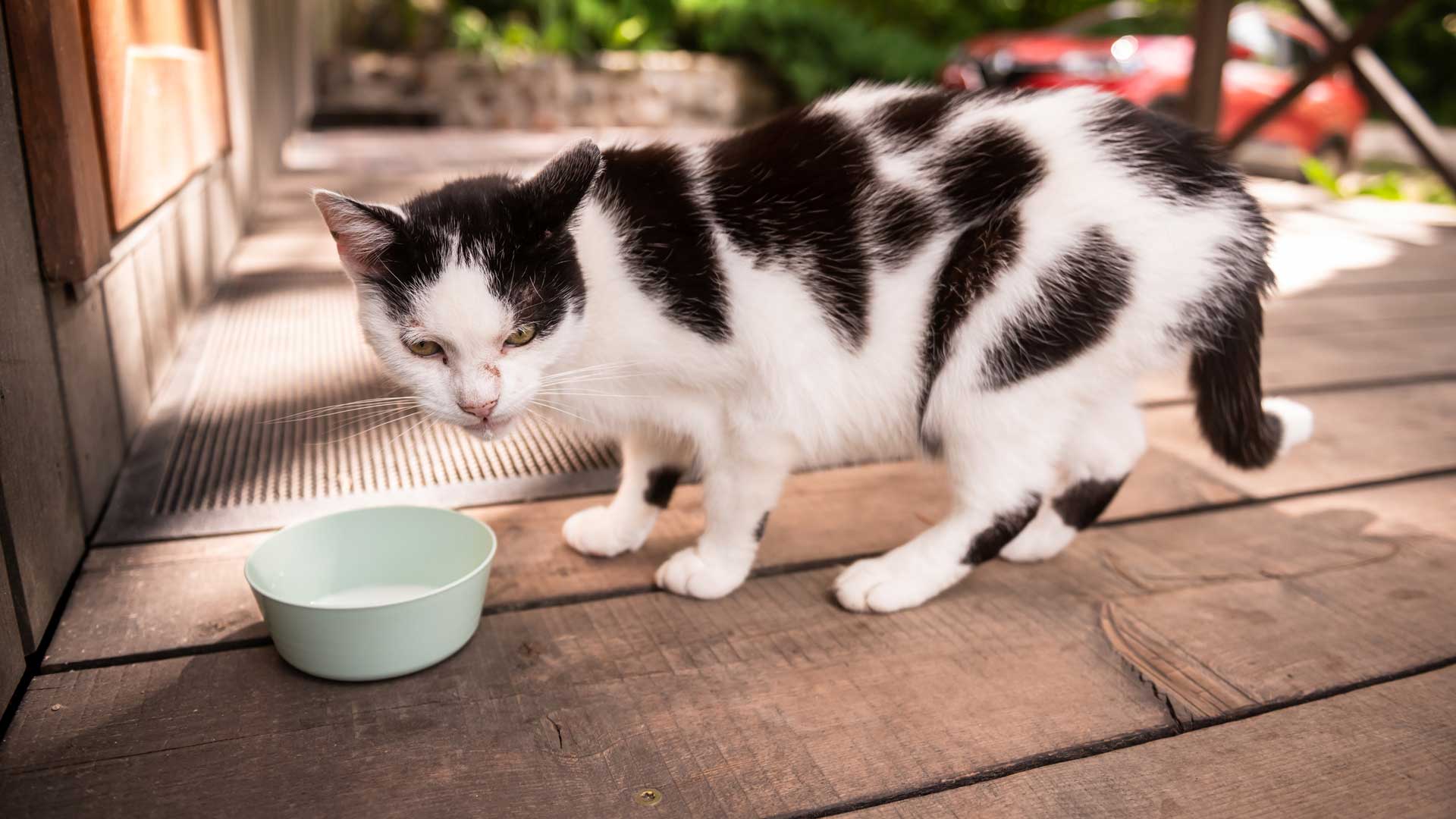
Signs of pain in cats
Common signs of pain in cats include:
- Jumping less often
- Difficulty getting onto furniture or cat trees
- Changes in litter box habits
- Decreased grooming habits
- Sleeping more than usual
- Reduced activity or play
- Becoming less social
- Changes in appetite
Cats are particularly good at hiding pain, which can make it difficult to recognize. Keep a close eye on your cat and schedule an appointment with your vet if you think anything is wrong. It’s better to be safe than sorry.
How veterinarians diagnose pain
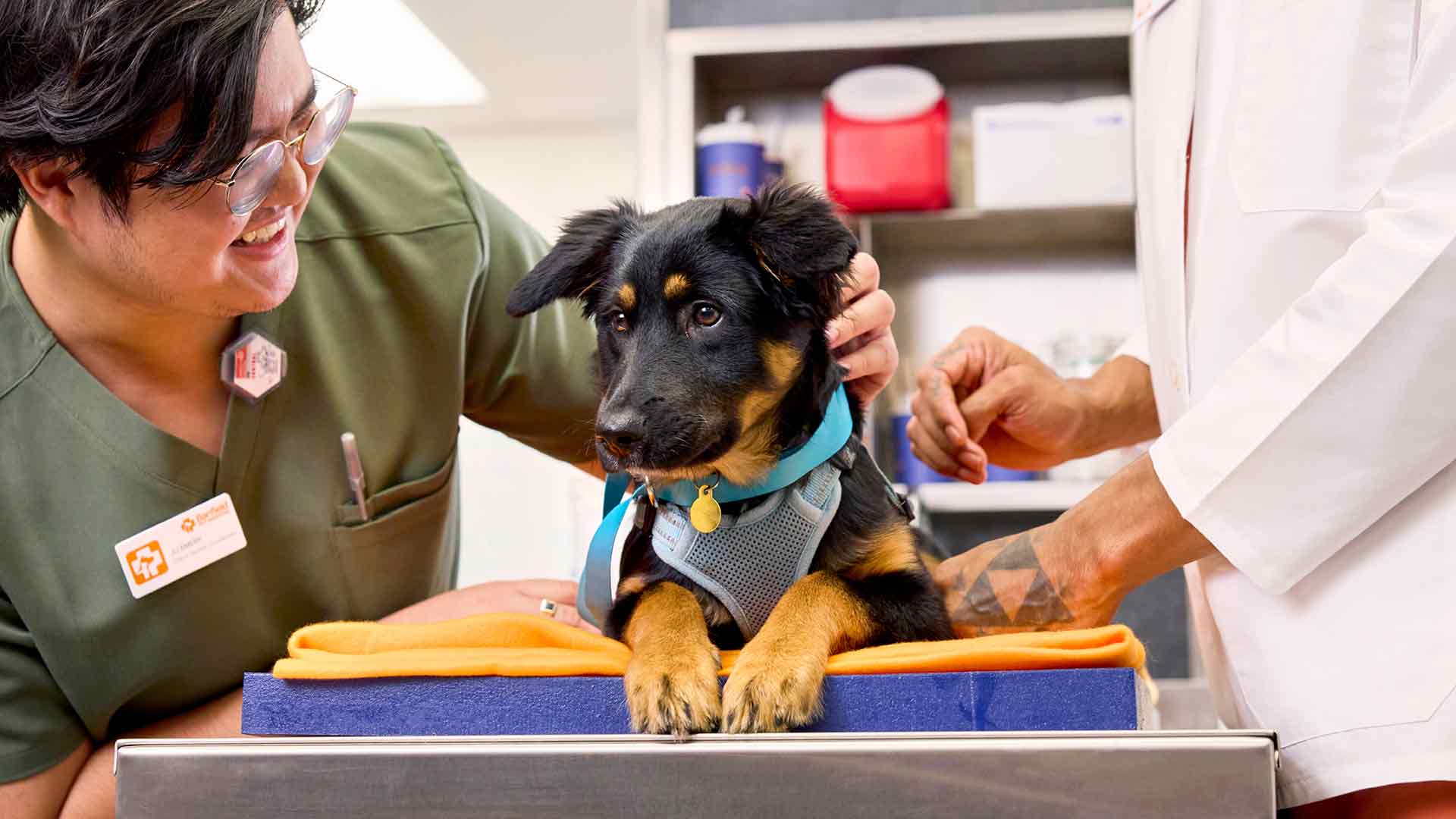
Your vet will likely perform a physical exam and discuss your pet’s symptoms and behavior changes with you.
Your vet might also recommend:
- X-rays
- Blood work
- Mobility assessments
- Ongoing monitoring
The earlier pain is identified, the sooner treatment can begin.
Treatment options for pain management
Pain management often involves a multimodal approach that can include medication, physical therapy, lifestyle changes, and/or acupuncture.
Pain medications and treatment options
Depending on your pet’s condition, your veterinarian may prescribe medications designed specifically for dogs or cats to help reduce inflammation and control pain.
Options may include monoclonal antibody injections, polysulfated glycosaminoglycan (PSGAG) injections, pain relievers such as gabapentin or amantadine, and laser therapy.
Weight management
Not only can excess body weight add stress on your dog’s or cat’s joints, it can also increase your pet’s chances of developing diabetes and other health issues.
Ways to manage your pet’s weight include:
- Consistent mealtimes
- Lower-calorie diets
- Appropriate serving sizes
- Reducing treats
- Avoiding table scraps
- Exercising
Learn more about weight management and pets here.
Therapeutic diets and supplements
Certain diets and supplements may help support joint health and mobility. Your veterinarian can help determine whether these are appropriate for your pet.
Options may include supplements with glucosamine, chondroitin, and omega 3 fatty acids; ursolic acid–based supplements; prescription foods that contain more collagen, glucosamine, and chondroitin; or antioxidants with omega 3 fatty acids.
Your vet might also prescribe a limited-calorie diet to help with weight management.
Physical rehabilitation and exercise
Low-impact exercise, physical therapy, and modifications at home may help improve strength, mobility, and comfort.
How to support a pet with chronic pain at home
If your pet has been diagnosed with chronic pain, you can help by:
- Following your vet’s recommended treatment plan
- Keeping your pet in a healthy weight range
- Providing supportive bedding
- Using ramps or pet stairs
- Limiting slippery surfaces with rugs
- Encouraging activity appropriate for their abilities
- Monitoring for changes in mobility or behavior
- Attending regular veterinary checkups
When to call your veterinarian
Contact your veterinarian if your pet:
- Shows signs of pain for more than a few days
- Suddenly becomes reluctant to move or is moving more slowly
- Has difficulty standing or walking
- Cries out when moving or being touched
- Shows changes in appetite or behavior
Early intervention is key.
Why pain management matters
Even if pain is an accepted chronic condition for your dog or cat, that doesn’t mean you should ignore it.
By recognizing the signs early and working closely with your veterinary team, you can help your pet stay comfortable, active, and engaged in the activities they love.
Important Notice: The information provided on this page is for informational purposes only and is not a substitute for professional veterinary advice. Always consult a veterinarian with any questions regarding your pet's health or medical condition. Never disregard or delay seeking professional veterinary advice based on information from this page.






 Pet Chat™


 Appointment details


 Pittsburgh Village East
 847-816-4667


 Notes for the vet

 This is a note for users pertaining to specific appointment types, requests, requirements, or other items.