



 Veterinary care
 Ways to get care
 Visit information
 Pet wellness plans
 Virtual petcare
 Pet Chat™ information
 Locations
 MyBanfield
 Shop packages now
 Request information
 Package FAQs
 NEW! Banfield Access Plan
 Pet health articles
 Puppy care
 Kitten care
 Senior care
 Dental care
 Diet and nutrition
 Ear care
 Parasites
 Fleas
 Ticks
 Mites and mange
 Worms
 Skin and coat care
 Mobility
 First aid
 Vaccinations
 End of life care
 Podcast - Not Just Fluff
 Traveling with your pet
 Video vault
 About us
 Contact us
 Newsroom
 Our leadership
 Shop
 Locations/appointments

 Print
senior pet wellness exams: common signs to expect as your pet ages
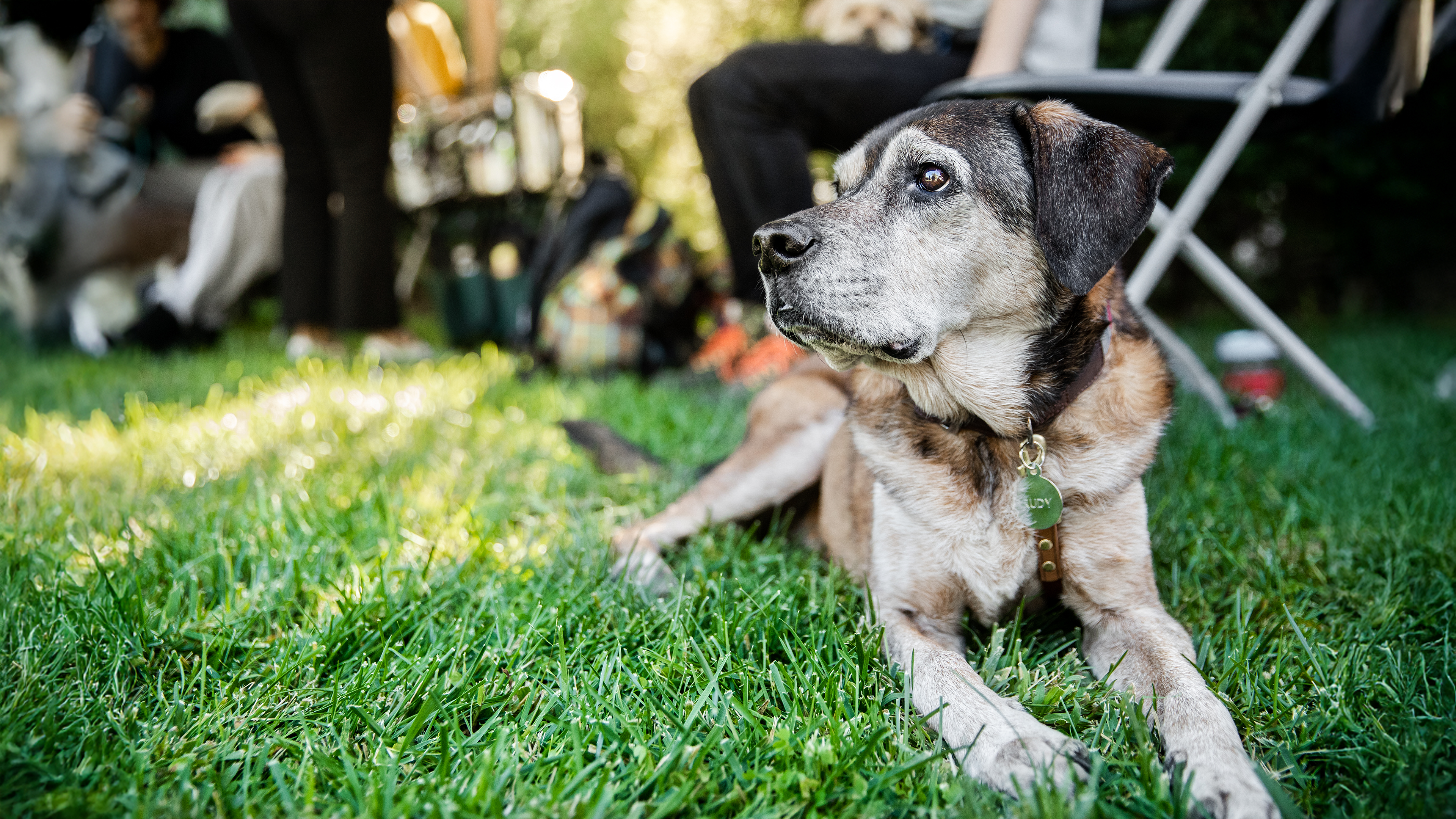
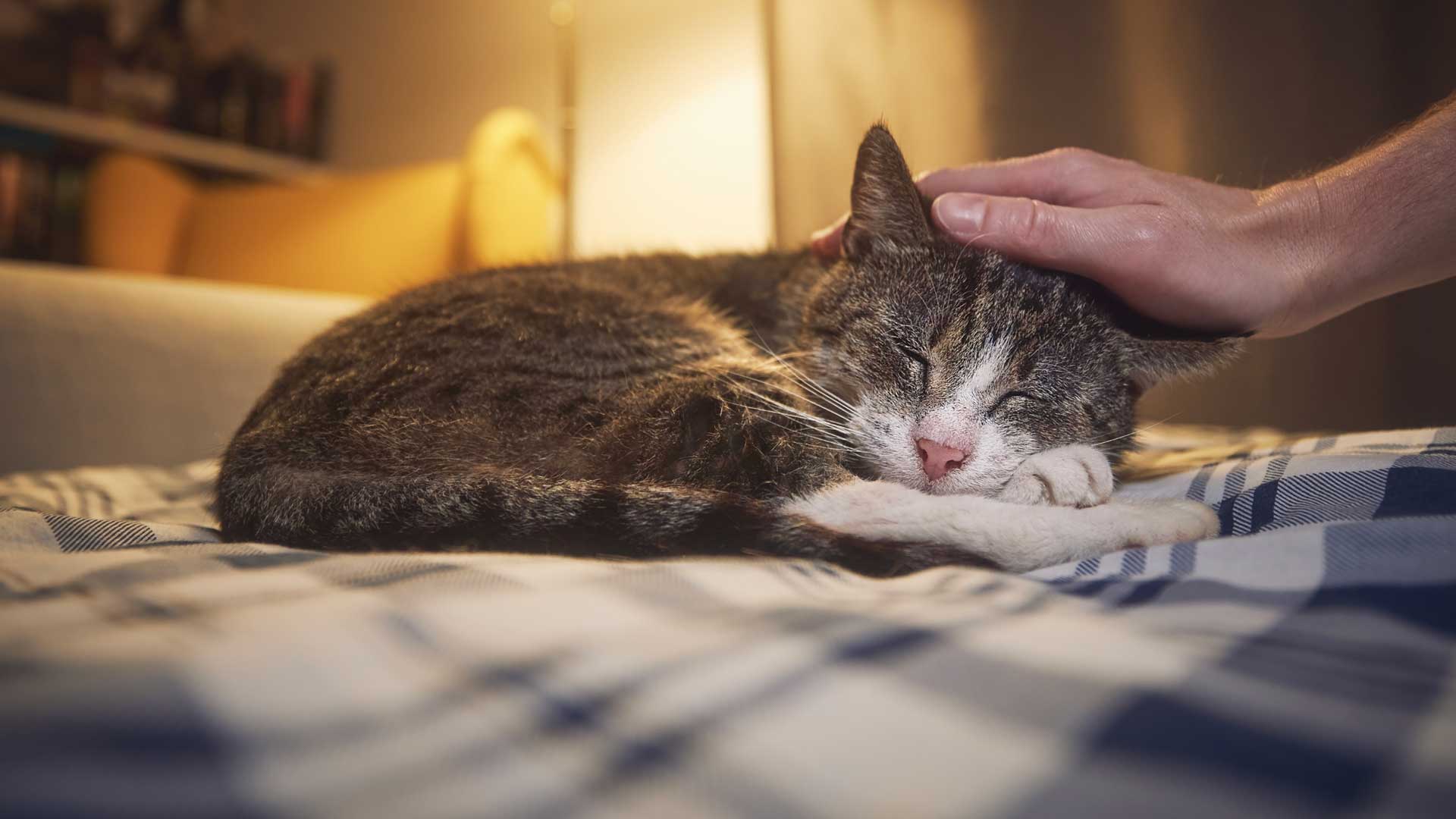
As our pets age, their health changes. Chronic conditions such as mobility issues or diabetes might spring up, or hearing or vision loss might accelerate.
That’s why senior wellness exams (also called comprehensive exams) are a great way to check in on your aging pet’s health and provide them with the care they need.
Why senior wellness exams are important
It’s sometimes difficult to notice health changes in our pets. Some may be completely unnoticeable until they’re at an advanced stage, while other health changes come on gradually.Regular wellness exams help your pet’s veterinary team get a baseline of your pet’s health and track it over time to monitor any changes. This type of preventive care may help get on top of health issues before they become advanced.
What happens during a senior pet wellness exam?
At Banfield, our senior wellness exams are similar to the wellness exams we give our younger patients, just with more attention on a few other things. These comprehensive exams are often called “nose-to-tail” exams because we look at a pet’s entire body, including:
- Coat and skin
- Eye
- Ears
- Oral and nasal
- Respiratory
- Cardiovascular
- Abdominal palpation
- Urogenital
- Rectal
- Musculoskeletal
For senior pets, we recommend more frequent and in-depth diagnostic blood work to look for earlier indications of disease, urinalysis, eye pressure tests, radiographs to check for early evidence or progression of chronic disease, and an electrocardiogram.
Common issues your vet might see in your senior pet
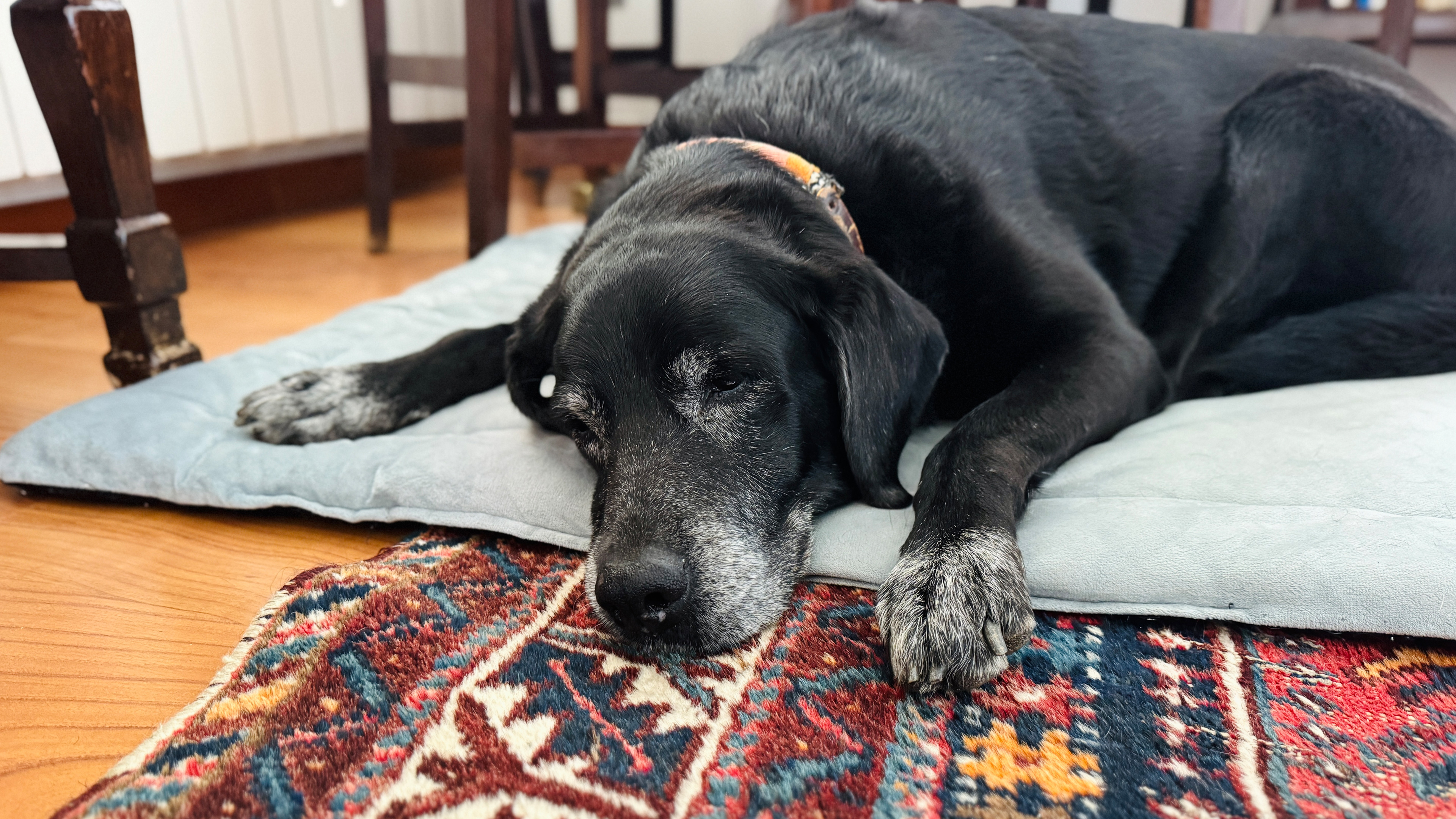
Once our pets reach a senior age (learn more about when your pet is considered a “senior”), it’s not uncommon for new health conditions to appear.
These are common conditions we see in senior pets:
- Weight changes — either weight loss or weight gain
- Diabetes
- Mobility issues and joint pain
- Vision or hearing loss
- Behavioral or cognitive changes
- Eating or potty changes
If your pet is experiencing one or more of these issues, don’t fret. While aging is inevitable, there are ways your veterinary team can help manage some of these conditions.
How often should senior pets have wellness exams?
We recommend two comprehensive exams a year for senior pets.
How can owners prepare for a senior wellness visit?
While your veterinary team will keep track of your pet’s health over their visits, it never hurts to bring additional information to your pet’s care team.
Tracking any changes you see at home in eating, drinking, mobility, or behavior can help provide your pet’s vet with a better understanding of any issues that may be going on with your pet.
Ways to support your senior pet
Because senior pets’ health needs change, the way you care for them might change too. Your pet’s veterinary team can talk with you about ways to help keep your senior pet active, both mentally and physically. These discussions might include appropriate exercise, weight management, mental enrichment, and diet.
Your vet will likely recommend continuing vaccinations for your senior pet, though there may be some vaccinations that can be reduced. Your vet will also likely recommend flea and parasite control because pets of all ages, whether they’re mostly outdoors or indoors, still need to be protected from parasites.
Bottom line
Regular wellness exams for your senior pet help create a clearer picture of your pet’s health and offer opportunities for you to discuss any changes you see with your pet’s vet. Schedule your senior sweetie’s next vet appointment today.
Important Notice: The information provided on this page is for informational purposes only and is not a substitute for professional veterinary advice. Always consult a veterinarian with any questions regarding your pet's health or medical condition. Never disregard or delay seeking professional veterinary advice based on information from this page.




 Pet Chat™


 Appointment details


 Pittsburgh Village East

 847-816-4667


 Notes for the vet

 This is a note for users pertaining to specific appointment types, requests, requirements, or other items.