



 Veterinary care
 Ways to get care
 Visit information
 Pet wellness plans
 Virtual petcare
 Pet Chat™ information
 Locations
 MyBanfield
 Shop packages now
 Request information
 Package FAQs
 NEW! Banfield Access Plan
 Pet health articles
 Puppy care
 Kitten care
 Senior care
 Dental care
 Diet and nutrition
 Ear care
 Parasites
 Fleas
Fleas Ticks
Ticks Mites and mange
 Worms
Worms Skin and coat care
 Mobility
 First aid
 Vaccinations
 End of life care
 Podcast - Not Just Fluff
 Traveling with your pet
 Video vault
 About us
 Contact us
 Newsroom
 Our leadership
 Shop
Shop
 Locations/appointments

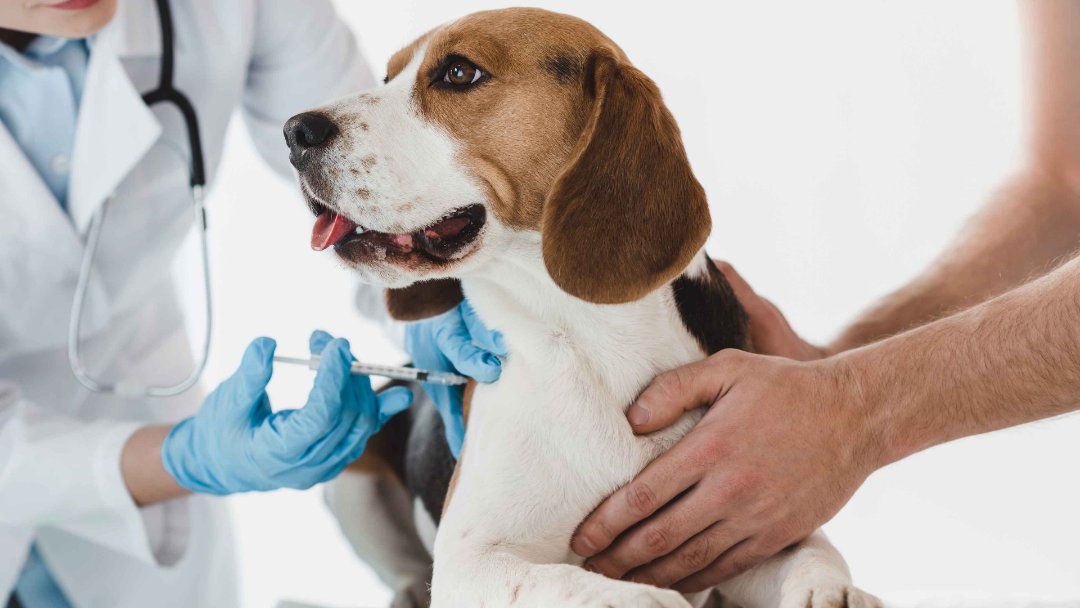


which vaccines do dogs and cats need?
Vaccinations are one of the most important ways to help protect your dog or cat from potentially life-threatening diseases. They work by training the immune system to fight off harmful viruses and bacteria. We’re big proponents of vaccinations at Banfield and even include them in our Optimum Wellness Plans®.
In this blog, we’ll go over the different types of vaccinations we recommend for dogs and cats and why it’s so important to stay on top of your pet’s vaccine schedule.
What are common vaccines for dogs and cats?
There are core vaccines that your veterinarian will recommend for your dog or cat.
Core vaccines for dogs
Rabies
Rabies is a fatal disease that can infect your pet and even your human family! It’s transmitted through the bite or, rarely, a scratch from a rabies-infected animal. Animals that commonly carry rabies are bats, racoons, foxes, and skunks. Rabies is no joke — it can cause paralysis, seizures, and ultimately death. Thankfully, rabies is preventable in dogs with routinely scheduled rabies vaccinations. This is a vaccine you won’t want your pet to miss, and in most parts of the country it’s required by law. Plus, if you travel with your pet, some hotels or transportation companies might require proof of rabies vaccination.
Distemper, adenovirus, parvovirus, and parainfluenza (DAPP)
This vaccine protects your pet against four common and often fatal viruses. Distemper typically spreads from dog to dog and creates issues for the respiratory, nervous, and gastrointestinal systems. Adenovirus is a hepatitis virus and can be transmitted through infected animals. Symptoms include lethargy, reduced appetite, abdominal pain with vomiting, diarrhea, and fever, and the disease can sometimes be deadly. Parvovirus, or parvo, is also highly contagious and is most often found in puppies. It can cause severe diarrhea and vomiting, dehydration, abdominal pain, and sometimes death. And lastly, parainfluenza is a common respiratory virus that leads to coughing, sneezing, and eye discharge, and can easily spread between infected dogs.
Leptospirosis (lepto)
Lepto is caused by bacteria and is typically transmitted through animal urine found in water or dirt. Signs typically include lethargy, diarrhea, vomiting, weakness, and jaundice, and if not treated in a timely manner, the disease can damage the kidneys and liver and ultimately result in death. Similar to rabies, this is a disease that can affect pets and people. Read more about the importance of the lepto vaccine here.
Core vaccines for cats
Rabies
A rabies vaccine is also standard for cats as they, too, can be susceptible to contracting rabies if left unprotected. Many states require by law that your cat be vaccinated against rabies, and you might need proof of rabies vaccination for travel.
Feline rhinotracheitis, calicivirus, panleukopenia (FVRCP or feline distemper)
This combination vaccine helps protect cats against three common contagious diseases. Feline rhinotracheitis, caused by feline herpes, can become a lifelong disease leading to chronic respiratory and eye issues. It isn’t lethal, but it can create uncomfortable symptoms for infected cats. Like rhinotracheitis, calicivirus causes upper respiratory infections and discharge from the eyes and nose. It can also lead to oral disease. Panleukopenia is a life-threatening disease that creates immunity issues by depleting the cat’s white blood cell count. It can spread easily from cat to cat and causes vomiting, diarrhea, dehydration, lethargy, depression, and it makes cats more susceptible to contracting other diseases.
Feline leukemia (FeLV) vaccine for cats
FeLV can be easily transmitted between cats through biting and grooming, and from mother to kitten. The virus suppresses immunity, which can make other viruses and bacteria more dangerous in infected cats, and it can also cause cancer. Though FeLV is commonly fatal, a cat with the disease can live for several years after diagnosis with regular petcare. Thankfully, because of the FeLV vaccine, the number of cats with the disease is trending down. But since this disease easily spreads between cats, it’s important to inoculate your furry friend, especially if they go outdoors.
What happens if I don’t vaccinate my dog or cat every year?
Skipping a vaccination could potentially leave your dog or cat vulnerable to certain diseases. Vaccines help train the immune system to fight off viruses and bacteria, and missing a vaccine can cause their immunity to wane. How often your pet needs to be vaccinated depends on their history and lifestyle and should be discussed with your veterinarian.
Are early vaccinations for puppies or kittens necessary?
Yes! Early vaccinations play an important role in protecting puppies and kittens when their immune systems are still developing. Though young pets receive some temporary protection from diseases through their vaccinated mother’s antibodies, it wanes over time.
Puppies and kittens usually receive more vaccinations when they’re young to ensure they’re properly protected. As they age, vaccinations typically lessen in frequency.
Do indoor dogs and cats really need vaccinations?
The answer is yes! Even if you have an indoor pup or cat, they are still at risk of contracting some preventable diseases, particularly if other animals live in the house or your pet comes in contact with other animals, say at boarding, grooming, or at a friend’s house.
Got vaccination questions? We’ve got answers
If you have any questions at all about vaccinations, your Banfield team is happy to answer them! We’ve also got a hot secret: All routinely recommended vaccinations are included in our Banfield Optimum Wellness Plans®!
Important Notice: The information provided on this page is for informational purposes only and is not a substitute for professional veterinary advice. Always consult a veterinarian with any questions regarding your pet's health or medical condition. Never disregard or delay seeking professional veterinary advice based on information from this page.








 Pet Chat™


 Appointment details


 Pittsburgh Village East
 847-816-4667


 Notes for the vet

 This is a note for users pertaining to specific appointment types, requests, requirements, or other items.